GuideLeer esta guía en español
Why does hair feel rough after coloring?
Coloring and lightening can leave hair feeling dry and brittle. If your lengths feel rough or straw-like afterward, gentle handling and conditioning are a sensible place to start. A rinse-out mask can help with softness and slip, but that is different from reversing the coloring process or guaranteeing that damaged hair is repaired.
By Anuko · · Updated
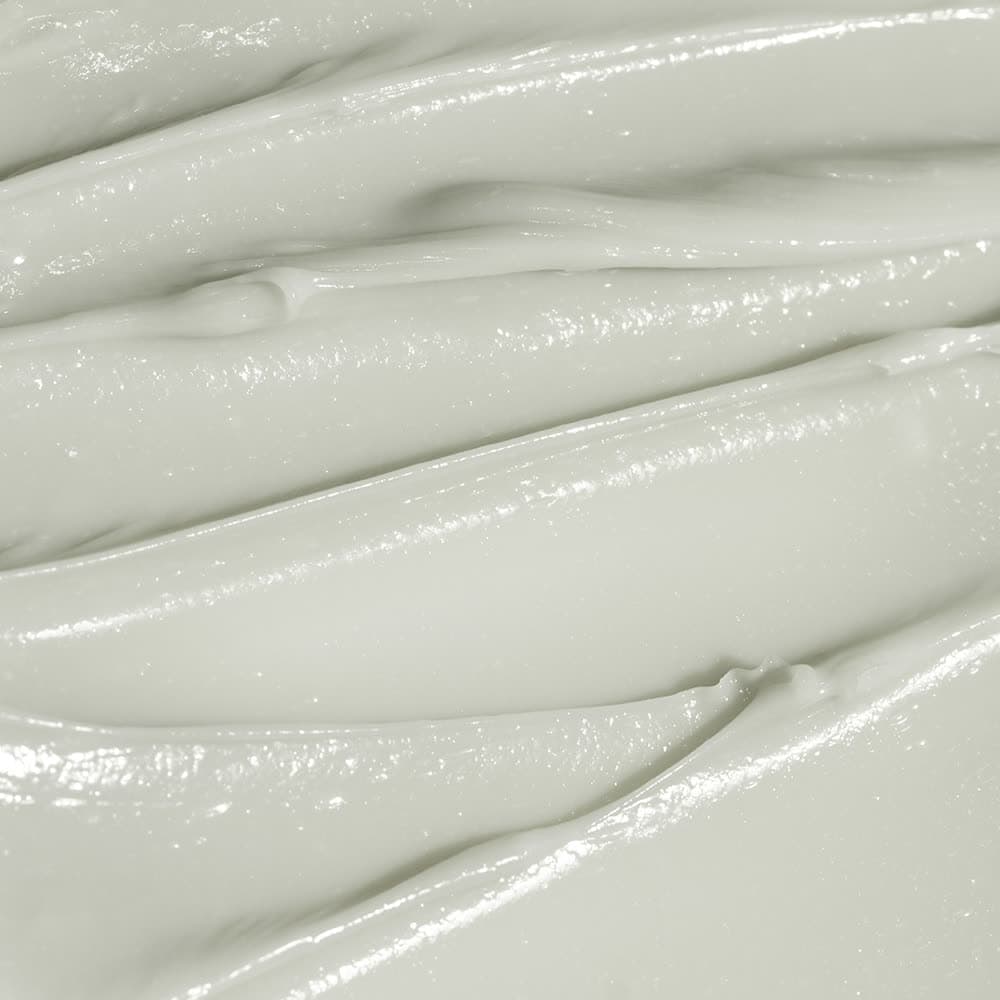
Start with what you are noticing
Rough ends and an irritated scalp call for different next steps. Use the feeling as a starting point, not a diagnosis of your hair's porosity or a reason to keep adding treatments.
| What you notice | A useful next step |
|---|---|
| Dry-feeling lengths that catch and tangle | Condition after washing and detangle gently. Focus a rinse-out mask on the lengths and ends according to its label. |
| Hair feels heavy after a rich mask | For Anuko Hair Butter, start with less next wash, keep it off the roots and rinse thoroughly. More product is not a measure of a better treatment. |
| Burning, itching, redness or swelling after coloring | Seek a dermatologist's advice about the reaction. A conditioning mask is not a treatment for scalp irritation. |
The American Academy of Dermatology notes that coloring can leave hair dry and brittle, and recommends a dermatologist's assessment for reactions such as itching or redness after dye use. Coloring and perming tips for healthier-looking hair.
Make the next wash gentler
Use conditioner after shampooing. When drying, absorb water with a towel instead of rubbing your hair. If you use heated styling tools, choose a lower setting and use them less often. If flat irons or blow-drying are the main reason your ends feel rough, read why hair feels rough after heat styling.
Detangling also depends on your texture: the AAD advises letting straight hair dry a little before gently using a wide-tooth comb, while textured hair and tight curls should be combed while damp. Avoid pulling through tangles. AAD guidance on preventing further hair damage.
Bleached curls, colored coils and straight highlighted hair can all need gentle handling. They do not all need the same amount of a rich mask. Keep the routine manageable and pay attention to how your own lengths feel after rinsing and drying.
Choosing a hair mask for colored or bleached hair
Start with the result you want: softer-feeling lengths, easier detangling or a smoother-looking finish. With a rich rinse-out mask, check the directions, where it goes and how much to start with. A mask intended for the lengths serves a different purpose from a leave-in styling cream or a scalp serum.
For Anuko Hair Butter, start with a coin-size amount on fine hair or an almond-size amount on thick or coarse hair, then adjust to your length and density. Apply after shampooing, through damp mid-lengths and ends, and rinse thoroughly after 3 to 5 minutes. If your hair feels heavy after drying, use less next wash.
Made in Korea describes the product's origin. It does not tell you how a mask will feel on your hair. Choose by the routine and finish you need, and keep expectations realistic: softer, glossier-looking hair is not evidence that bleaching damage has been reversed.
What do customers report after coloring or bleaching?
Anuko's glass-hair message describes a smoother, shinier-looking finish. The customer accounts below describe individual experiences with Hair Butter. They help show what people noticed, but they do not establish how the product will work for every head of hair.
Softer-feeling hair after dye and bleach
Olive Young, March 14, 2026, original Korean review shown in English translation
“after a week with this it's noticeably softer.”
This customer described dull hair a week after dyeing and bleaching, then a softer feel after a week of use.
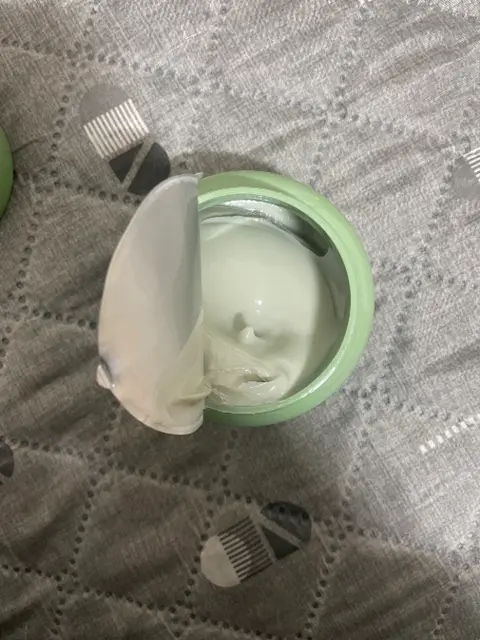
The customer's accompanying product photo: an open Hair Butter jar and its cream. It is not a before-and-after comparison. Shine and a small amount
Amazon, June 6, 2026
“Great for shiny smooth hair”
An archived review from the site's existing collection. The reviewer mentions shine and using a small amount; the review does not say whether their hair was bleached.
A greasy result after rinsing
Amazon, November 7, 2025
“my hair was still really greasy”
A reported drawback: this customer found their hair still greasy after rinsing and shampooed again. Rich textures do not suit every head of hair.
Softness, shine and greasy-feeling residue are different outcomes to watch for. Start with the label's small-amount, 3–5-minute rinse-out routine and judge the finish after drying. Customer accounts are not controlled tests, and a softer feel does not show that bleaching damage has been reversed. Read customer reviews and drawbacks.
An example with a rinse-out hair mask
Anuko Nourishing Hair Butter is a rich rinse-out mask made in Korea. Its purpose in this routine is conditioning the lengths for softness, slip and shine. Here is how to use it according to the US label:
- 01Shampoo, then squeeze out excess water.
- 02Spread Hair Butter through damp mid-lengths and ends. Avoid applying it directly to your scalp.
- 03Leave it on for 3 to 5 minutes.
- 04Rinse thoroughly with water.
Start small, especially if your hair is fine or easily weighed down. The amount depends on length, density and texture. The 200 ml jar and Travel pack offer the same Hair Butter routine; the Travel pack contains nine 10 ml sachets. A sachet is a package size, not a promise of one treatment for every head of hair.
What to expect from conditioning
Judge the result by the feel of your lengths and how easily they detangle. Do not use softness as proof that bleaching or coloring damage has been reversed. Hair Butter is a rinse-out conditioning step; it is not a leave-in styler, a hair-color product or a scalp treatment. Hair butter vs leave-in conditioner.
Follow the product's rinse-out timing rather than leaving it on overnight. If you are choosing products around an ingredient preference or sensitivity, read the ingredient information and your pack label. Hair Butter ingredient information.
When a mask is not the next step
If changes to your routine do not help, or you are concerned about thinning or hair loss, consult a dermatologist. The AAD recommends professional assessment when hair-care changes do not resolve the problem. When to see a dermatologist.